India's Lost Kingdoms - Royal Heritage Tours
Discover 6 forgotten royal cities - from Orchha’s palaces to Mandu’s romantic ruins. Your Royal Honeymoon India tour with palace stays from UK India Tourism.
Adarsh Gupta
2/20/202612 min read
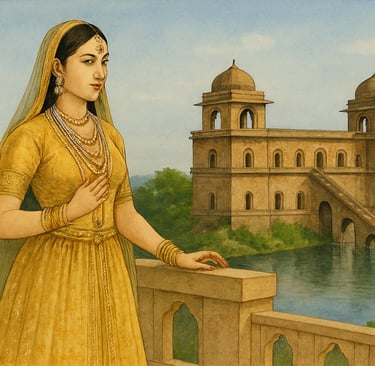
India's Lost Kingdoms: Forgotten Royal Cities Worth Visiting
Walk Through Living History in India's Forgotten Royal Capitals
While millions flock to Jaipur's Amber Fort and Agra's Taj Mahal, India harbors secrets in plain sight—forgotten royal capitals where dynasties rose and fell, where palaces still stand sentinel, and where history whispers from every weathered stone.
These are not mere ruins. They are living museums where daily life unfolds against backdrops of medieval grandeur, where local families inhabit ancient havelis, and where you can walk through palace courtyards without fighting through tour groups. These six lost kingdoms represent India at its most authentic—where history isn't curated, it simply is.
At UK India Tourism, we've been guiding discerning travelers through these time capsules for 18 years. We don't just show you monuments—we arrange private access to royal residences still occupied by descendants of maharajas, organize meetings with palace historians, and secure stays in heritage properties that transport you to India's regal past. This is history you can touch, breathe, and live.
1. Orchha, Madhya Pradesh: Where Time Stopped in 1783
The Kingdom That Refused to Die
Imagine a medieval city frozen mid-breath. Orchha—once the proud capital of the Bundela Rajputs—sits on an island in the Betwa River, its fortified palaces rising like stone ships against the sky. When the capital shifted to nearby Tikamgarh in 1783, Orchha simply... stopped. No modern development. No urban sprawl. Just palaces, temples, and time.
Why History Lovers Are Captivated:
· Jahangir Mahal - A three-story palace built for a single night's stay by Emperor Jahangir. Its stunning architecture remains perfectly preserved.
· Raj Mahal - Royal quarters with original 17th-century murals depicting religious and court scenes in remarkable condition.
· Ram Raja Temple - The only temple in India where Lord Ram is worshipped as a king, with ceremonial gun salutes still performed daily.
· Chaturbhuj Temple - Soaring 344 steps offer panoramic views over the medieval cityscape and winding river below.
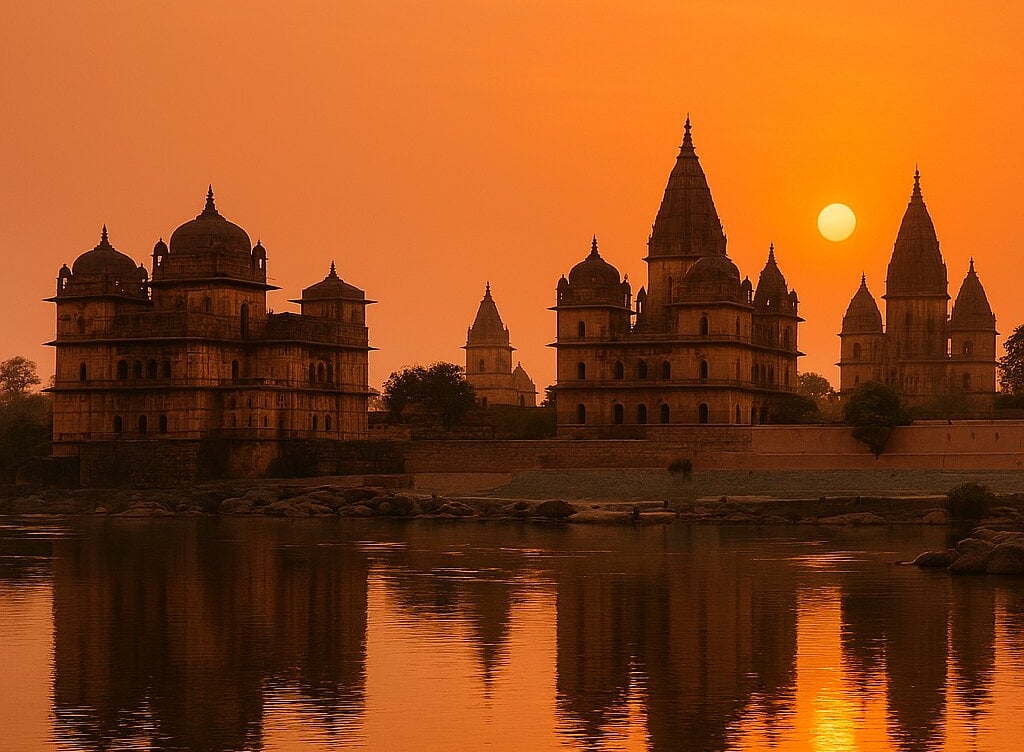
· Cenotaphs (Chhatris) - 14 memorial pavilions along the Betwa River where Bundela kings are honored at sunset.
· Untouched medieval streets - Walk the same lanes that courtiers walked 400 years ago, past havelis still inhabited by descendants of the royal court.
Insider Experience from UK India Tourism: We try to provide private tours of sections normally closed to tourists. Stay at the Orchha Resort or Amar Mahal, both heritage properties with period furnishings and Bundela hospitality.
2. Mandu, Madhya Pradesh: India's Most Romantic Ruins
Where Love Conquered Empires
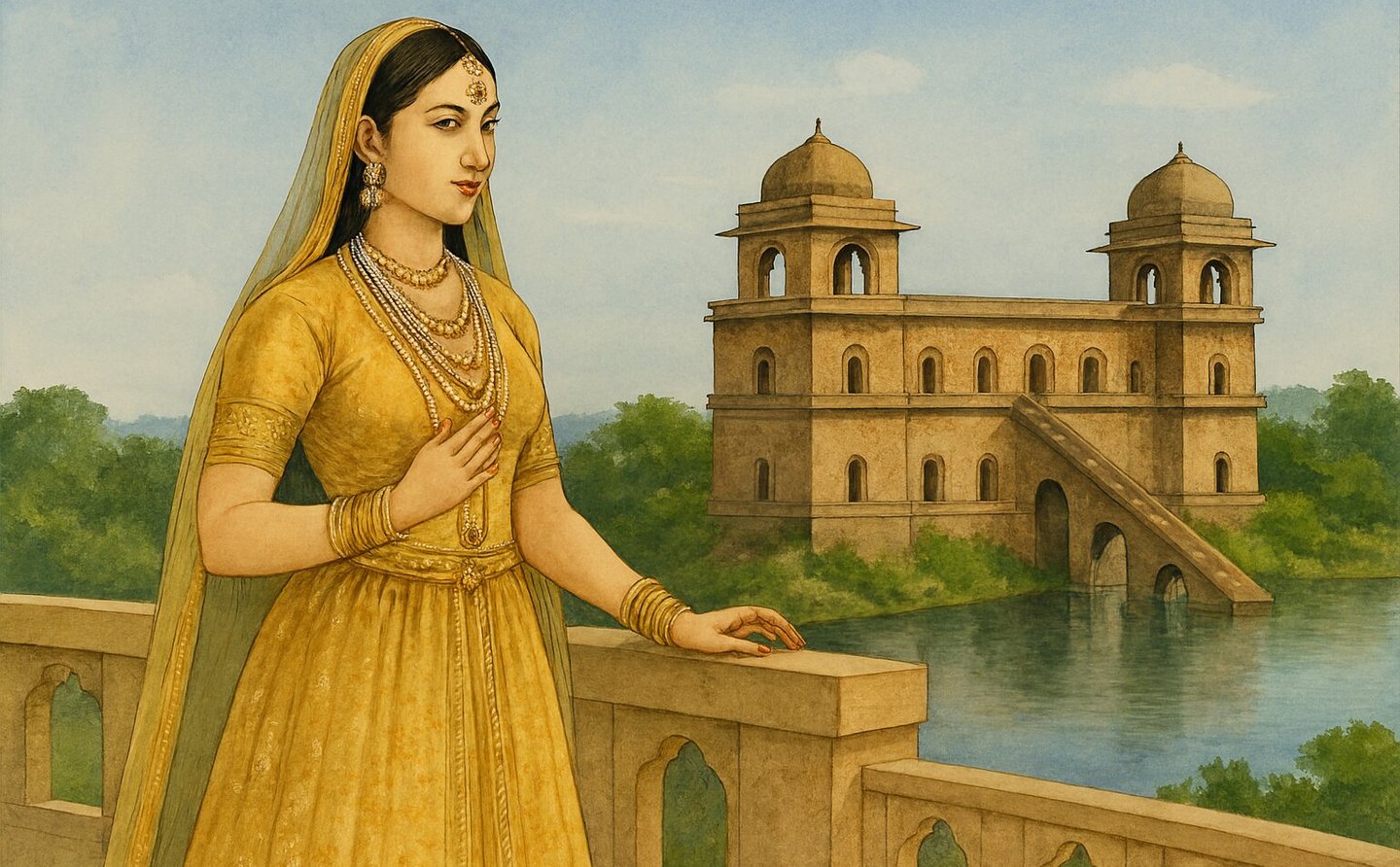
Perched on a plateau in the Vindhya ranges, Mandu sprawls across 82 square kilometers of abandoned palaces, ornamental lakes, and crumbling mosques. This was Shadiabad—the "City of Joy"—where Sultan Baz Bahadur and the beautiful poet-singer Rani Roopmati lived a legendary romance that ended in tragedy when the Mughal Emperor Akbar invaded in 1561.
Today, Mandu remains India's largest abandoned city, a ghost capital where monsoon clouds drift through palace windows and peacocks dance in royal courtyards. It's impossibly romantic, heartbreakingly beautiful, and completely overlooked by mainstream tourism.
Why Travelers Fall in Love:
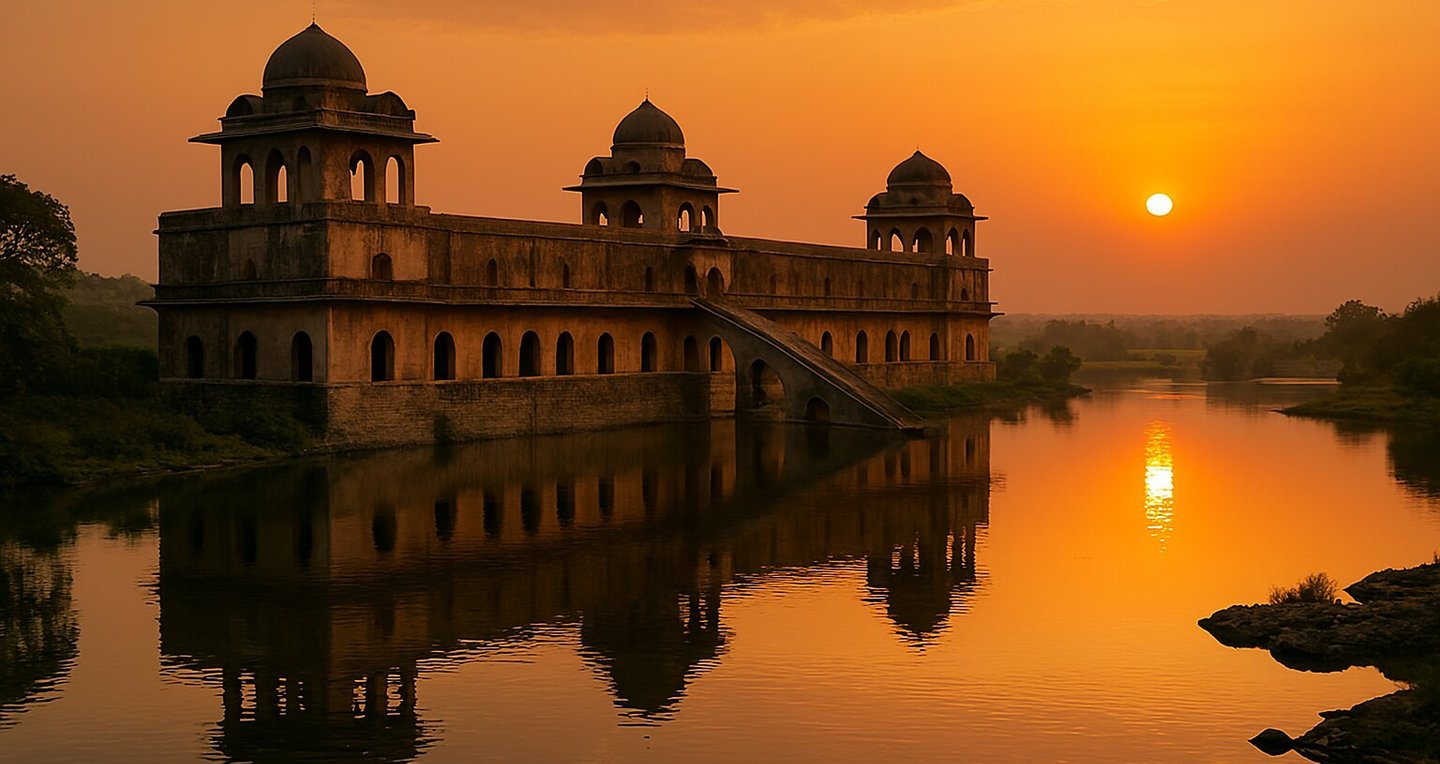
· Jahaz Mahal (Ship Palace) - Built between two artificial lakes, this palace appears to float like a stone ship. Walk its terraces at sunset.
· Roopmati's Pavilion - The queen's retreat with sweeping views over the Narmada River valley. Legend says she refused to eat until seeing her beloved river each morning.
· Hoshang Shah's Tomb - India's first marble mausoleum, the architectural inspiration for the Taj Mahal. Its dome influenced Shah Jahan's architects.
· Jami Masjid - A massive Afghan-style mosque modeled on the Great Mosque of Damascus, with proportions that humble you.
· Baz Bahadur's Palace - The sultan's residence with water channels running through every room, creating natural air conditioning.
· Monsoon magic - Visit July-September when the plateau transforms into an emerald wonderland with waterfalls cascading from palace walls.
Insider Experience from UK India Tourism: We time visits for late afternoon when the abandoned palaces catch golden light, followed by private candlelit dinners on Jahaz Mahal's terrace (arranged with special permissions). Our expert guides share the love story of Baz Bahadur and Roopmati with such passion that you feel their presence. Monsoon season visits include exclusive access to normally closed sections where waterfalls flow through ancient architecture—magical and ethereal.
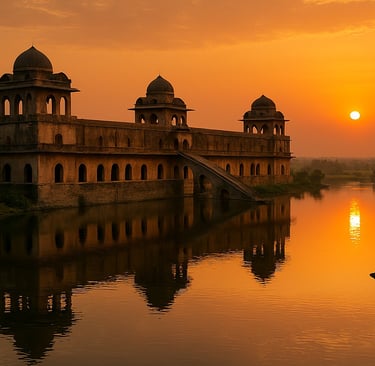
3. Chanderi, Madhya Pradesh: Silk, Stone, and Secrets
The Forgotten Textile Capital
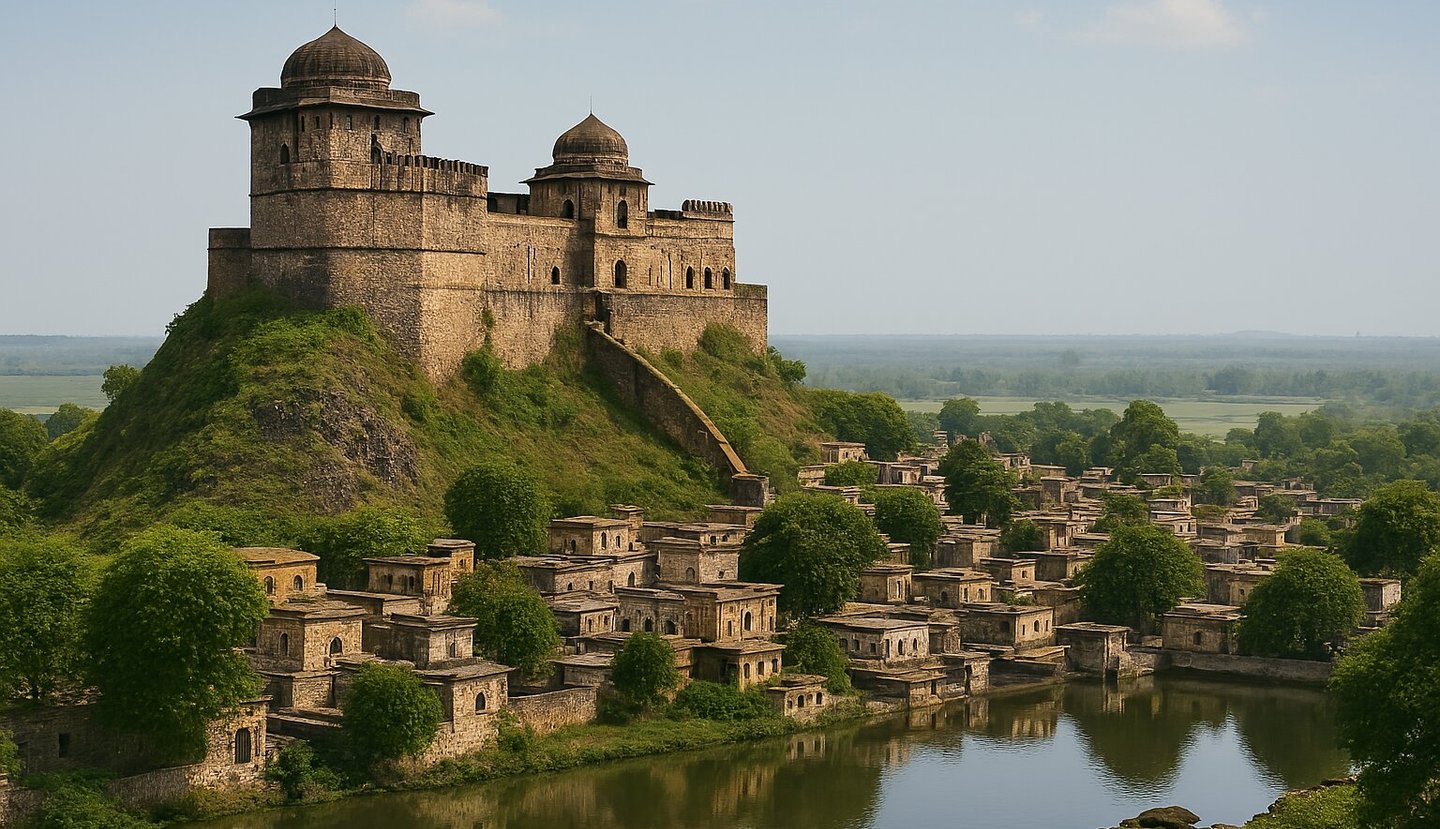
Chanderi was once so wealthy from silk weaving that its rulers built over 400 monuments across this small hill town. Most travelers have never heard of it. Those who discover Chanderi find a place where history, craft, and rural Indian life interweave as intricately as the town's famous handwoven saris.
Strategically positioned on ancient trade routes between North and South India, Chanderi passed through Bundela, Mughal, and Malwa kingdoms. Each left their architectural signature—forts crown hilltops, Jain temples hide in valleys, and mosques rise beside Hindu temples in remarkable harmony.
Why Cultural Travelers Are Enchanted:
· Chanderi Fort - Perched on a chandelier-shaped hill (hence the name), with panoramic views over the town and countryside. The climb rewards with solitude.
· Koshak Mahal - A seven-story ruined palace where you can explore empty rooms and imagine royal life. Virtually no other visitors.
· Battisi Baoli - An 11th-century stepwell with 32 steps descending into cool depths, architectural geometry at its finest.
· Jain Temples - Exquisitely carved temples from the 11th century, many virtually unknown and unguarded. Photography paradise.
· Living craft tradition - Visit weaver families creating the famous Chanderi silk saris on traditional handlooms, a craft unchanged for centuries.
· Authentic small-town India - Wander lanes where bullock carts outnumber cars, where temple bells mark time, where India feels timeless.
Insider Experience from UK India Tourism: We arrange intimate visits to master weavers' homes where you'll watch Chanderi saris being created thread by thread, learning about patterns passed through generations. Our heritage walk includes monuments most guidebooks miss—secret Jain caves, forgotten gateways, hidden inscriptions. We can arrange custom sari purchases directly from weavers at fair prices. Stay at the charming Tana Bana homestay, where the owner's family has woven Chanderi silk for eight generations.
4. Maheshwar, Madhya Pradesh: The Sacred Royal City on the Narmada
Where Queen Ahilya Bai Created Paradise
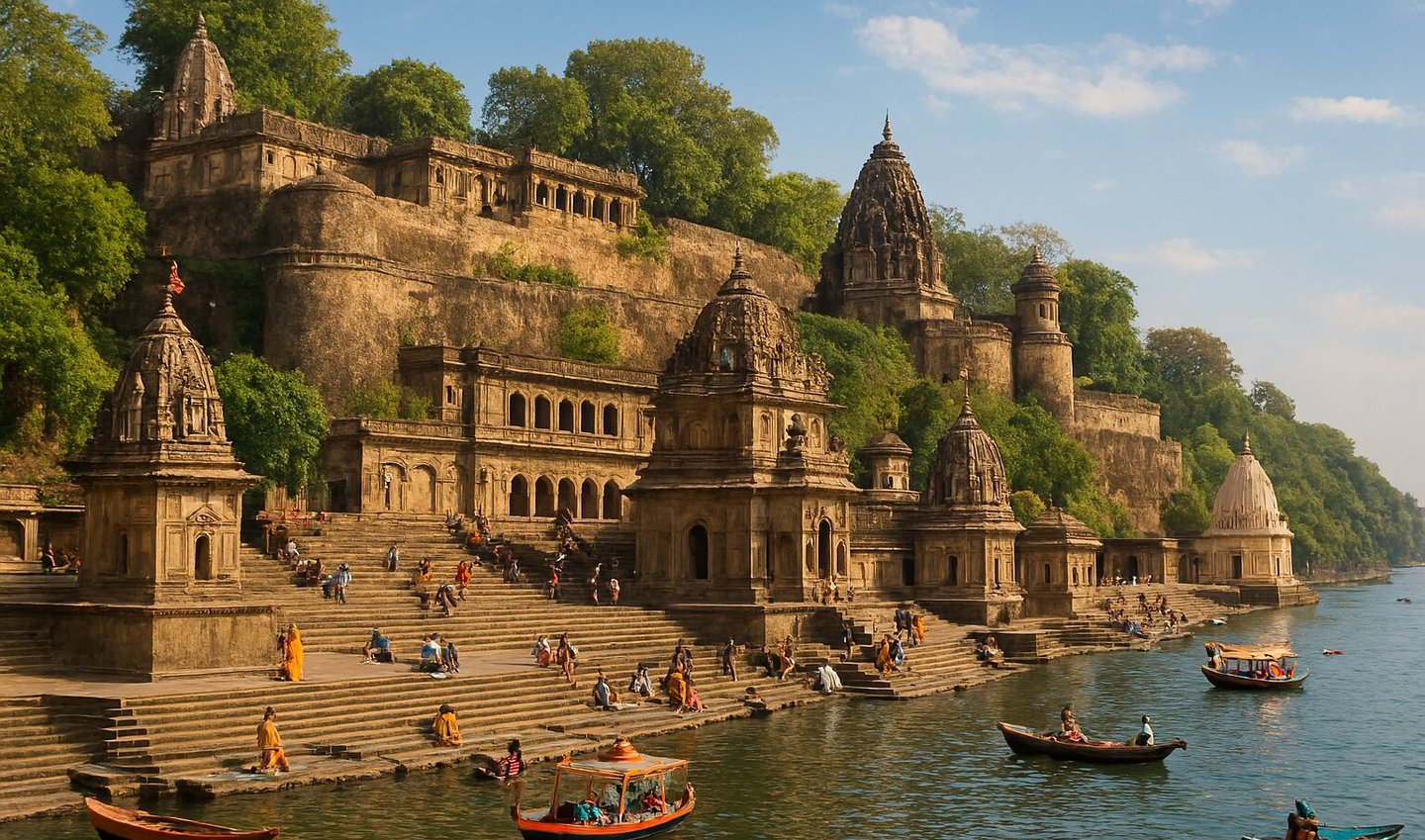
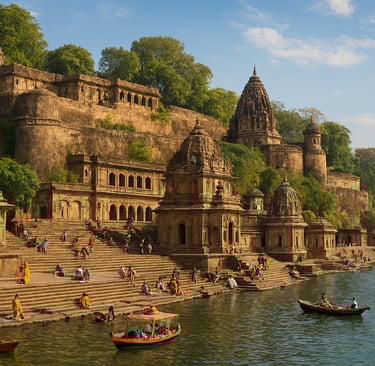
On the banks of the sacred Narmada River sits Maheshwar, capital of the enlightened Queen Ahilya Bai Holkar, who ruled the Maratha kingdom in the 18th century with such wisdom that her subjects called her "Mother of the People." She transformed Maheshwar into a center of culture, art, and devotion—and remarkably, it retains that character today.
Unlike other lost kingdoms, Maheshwar's royal family still resides in the fort palace, maintaining temples, supporting weavers, and preserving traditions. This isn't a museum—it's a living royal city where spirituality and heritage flow as continuously as the river.
Why Travelers Feel Transported:
· Ahilya Fort - The royal palace still occupied by the Holkar family, now partially converted to a heritage hotel. Stay where queens slept.
· River Ghats - Ancient stone steps leading to the Narmada, alive with daily rituals, boat rides, and evening aartis (prayer ceremonies).
· Maheshwar Temples - Built by Ahilya Bai herself, including the Rajarajeshwar Temple with its distinctive shikhara (spire).
· Maheshwari Sarees - Handwoven textiles with reversible borders, a 300-year-old weaving tradition still practiced by local families.
· Narmada Parikrama - Join pilgrims on the sacred walk along the river, one of Hinduism's holiest journeys.
· Spiritual atmosphere - Unlike touristy Varanasi, Maheshwar's spirituality feels genuine, unhurried, and welcoming.
Insider Experience from UK India Tourism: Stay at Ahilya Fort itself, in rooms overlooking the river where royalty once lived. Meet master weavers and commission your own custom Maheshwari sari or shawl to take home.
5. Thanjavur, Tamil Nadu: The Chola Empire's Golden Capital
South India's Greatest Imperial City
While North Indian kingdoms rose and fell, the Chola Dynasty ruled South India for over 400 years from their capital at Thanjavur, creating an empire that stretched to Sri Lanka, the Maldives, and Southeast Asia. At its height in the 11th century, Thanjavur was among the world's greatest cities—richer than many European capitals.
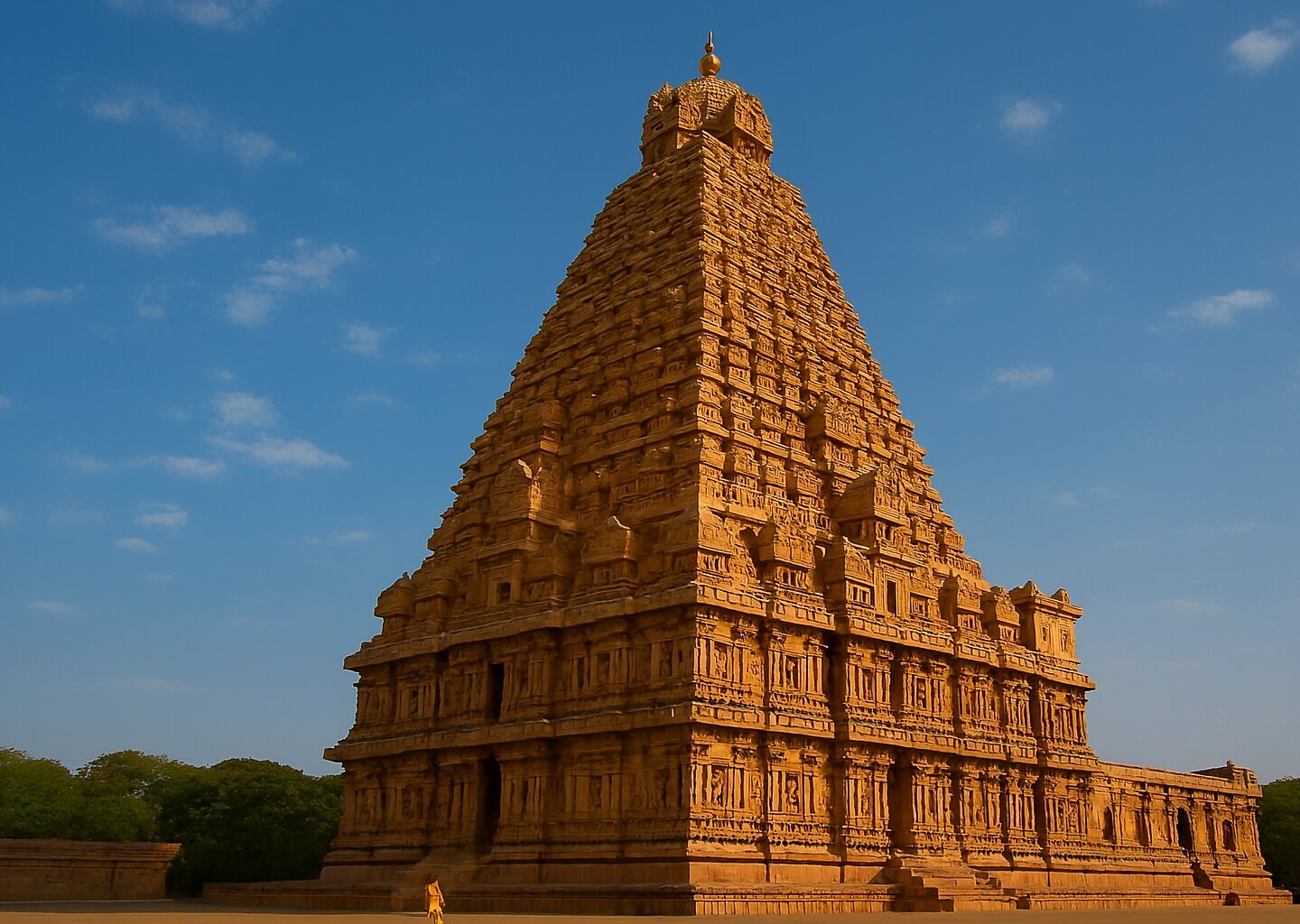
Today, most travelers bypass Thanjavur racing between major cities. They miss the UNESCO World Heritage Brihadeeswara Temple—one of humanity's architectural masterpieces—and a royal city where Tamil culture, art, music, and tradition evolved to extraordinary heights and continue unbroken.
Why This Lost Capital Astounds:
· Brihadeeswara Temple - A 1,000-year-old granite temple crowned by an 81-ton capstone lifted to 216 feet without cranes. UNESCO World Heritage Site and architectural miracle.
· Thanjavur Palace - The Nayak and Maratha royal complex with the remarkable Saraswati Mahal Library containing palm-leaf manuscripts over 1,000 years old.
· Tanjore Painting - The distinctive South Indian art form with gold leaf and gem inlays, still created by traditional artists in family workshops.
· Chola Bronze Galleries - World-famous bronze sculptures from the Chola period, representing the pinnacle of South Asian metallurgy and artistic expression.
· Living classical arts - Thanjavur remains the heart of Bharatanatyam dance and Carnatic music. Attend authentic performances, not tourist shows.
· Peaceful exploration - Major tour groups skip Thanjavur. You'll have these treasures largely to yourself.
Insider Experience from UK India Tourism: We arrange private tours of the Brihadeeswara Temple with temple historians who reveal architectural secrets and hidden symbolism missed by casual visitors. Visit Tanjore painting workshops where you can try your hand at this ancient art. Attend private Bharatanatyam dance performances in family homes, not stage shows. Access the Saraswati Mahal Library's rare manuscript collection with a specialist curator. Combine Thanjavur with nearby Chola temples for a complete UNESCO heritage circuit.
6. Mysore (Mysuru), Karnataka: The Royal City That Reinvented Itself
The Maharaja's City - Beyond the Palace
Yes, you've heard of Mysore Palace—Karnataka's most visited monument after Bengaluru. But the real Mysore lies beyond that famous facade. This was the capital of the Wodeyar Dynasty for nearly six centuries, and their enlightened rule transformed Mysore into South India's most cultured, progressive, and beautiful kingdom.
While most tourists photograph the palace and leave, the lost kingdom reveals itself in quiet corners—old bazaars selling sandalwood and silk, art galleries in former royal residences, yoga shalas teaching traditions unchanged for generations, and neighborhoods where time moves at a regal pace.
Why Mysore Rewards Deeper Exploration:
· Beyond the Palace - The Jaganmohan Palace Art Gallery, Jayalakshmi Vilas Mansion, Lalitha Mahal (now heritage hotel) reveal layers of royal life.
· Devaraja Market - A 19th-century covered market where flower vendors create mandala-like arrangements and spice merchants sell fragrances that filled royal kitchens.
· Chamundi Hill - The royal family's goddess temple overlooking the city, with a monumental Nandi bull carved from single granite.
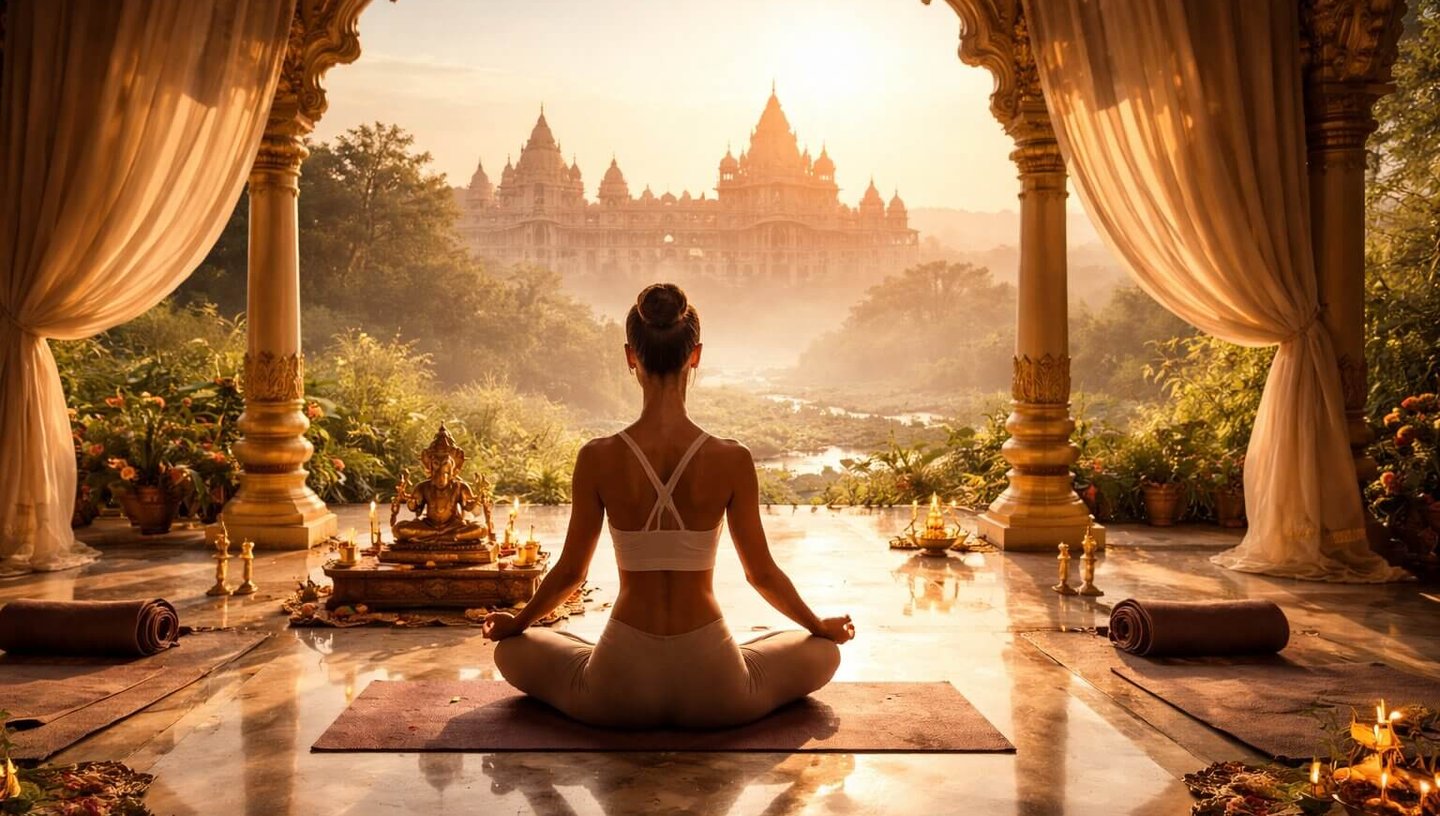
· Mysore Ashtanga Yoga - Learn at the source where this yoga style evolved under royal patronage. Authentic, not commercial.
· Sandalwood heritage - Visit the Government Sandalwood Oil Factory, a royal monopoly since 1916, producing the finest sandalwood products in India.
· Dasara Festival - Mysore's 10-day celebration during Navaratri is South India's grandest, with the royal family still leading processions on decorated elephants.
Insider Experience from UK India Tourism: We skip the crowded palace tours and instead take you to lesser-visited royal properties including private collections. Meet Mysore painting artists who work in traditional natural pigments. Arrange private yoga sessions with senior Ashtanga teachers, not drop-in tourist classes. During Dasara, we secure premier viewing positions for the magnificent royal procession—access available only through local connections. Stay at Lalitha Mahal Palace Hotel, where you sleep in rooms that once hosted viceroys and maharajas.
Planning Your Lost Kingdoms Journey | Plan with UK India Tourism
These six forgotten royal cities offer radically different experiences, yet each shares a common thread - authenticity. No tourist crowds, no over commercialization, just living history waiting for travellers curious enough to seek it.
Ideal Lost Kingdoms Itineraries
The Central India Royal Triangle (7-9 days): Orchha → Mandu → Maheshwar. Three lost kingdoms of Madhya Pradesh connected by good roads. Perfect for first-time visitors to central India seeking off-beaten-path royal heritage.
The Textile Trail (6-8 days): Chanderi → Maheshwar. Focus on India's handloom heritage while exploring two royal cities that perfected silk weaving. Includes weaver homestays and hands-on workshops.
South India Imperial Capitals (8-10 days): Mysore → Thanjavur (+ extensions to Hampi, Madurai). Explore South Indian kingdoms that rivaled anything in the north, with completely different architectural styles and cultural traditions.
The Complete Lost Kingdoms Circuit (14-16 days): Orchha → Chanderi → Mandu → Maheshwar → (flight) → Mysore → Thanjavur. Our signature heritage journey covering all six cities with palace stays, private guides, and exclusive experiences.
When to Visit Lost Kingdoms
Best overall: October-March for comfortable weather across all six cities.
· Orchha, Mandu, Chanderi, Maheshwar (Madhya Pradesh): October-March ideal. Monsoon (July-September) transforms Mandu into a green wonderland but limits photography.
· Thanjavur (Tamil Nadu): November-February best. Avoid March-June heat. Pongal festival (January) offers cultural immersion.
· Mysore (Karnataka): September-February pleasant. Visit during Dasara (September/October) for spectacular royal festival.
· Photography tip: Visit MP cities October-November or February-March for clear skies and golden light. South India cities best November-January.
What Makes Lost Kingdoms Different from Popular Destinations?
Authentic, Not Curated: These aren't museum-piece cities maintained for tourists. People live, work, and worship in these royal capitals exactly as they have for centuries. History isn't behind glass—it's under your feet.
No Tourist Infrastructure (And That's Perfect): You won't find Starbucks, tour buses, or souvenir stalls. What you will find is genuine interaction with locals, real prices, and the joy of discovery that disappears from over-touristed places.
Personal Scale: These cities are walkable, intimate, unhurried. You can explore palaces without fighting crowds, photograph monuments at your pace, and actually feel the history rather than rushing through it.
Living Traditions: Weavers still create silk on handlooms, artists still paint in traditional styles, priests still perform ancient rituals, musicians still practice classical ragas. These aren't demonstrations—they're daily life.
Insider Access: Our 18 years of relationship-building means we can arrange meetings, access, and experiences simply impossible in Jaipur or Udaipur where tourism has commodified everything.
Value for Money: Heritage hotels in these forgotten capitals cost lesser when you plan with UK India Tourism and hence you get a better tour quote and the experience is more authentic and the service more personalized.
Who Should Visit Lost Kingdoms?
These destinations appeal to a specific type of traveller—one who values authenticity over Instagram opportunities, who reads history for pleasure, who prefers conversation with a palace caretaker over selfies with monuments.
History Enthusiasts: If you read historical fiction, visit museums for pleasure, or can spend hours examining architectural details, you'll be in heaven. These cities reward curiosity.
Photographers: Shooting without crowds, in atmospheric lighting, with genuine local life as context—photographer's paradise. Sunrise at Orchha, sunset at Mandu, temple rituals in Thanjavur.
Cultural Travelers: Interested in how traditions survive, how crafts endure, how royal legacies shape modern India? These cities show living culture, not performed culture.
Couples Seeking Romance: Mandu's tragic love story, Maheshwar's river ghats at twilight, heritage hotels with private courtyards—deeply romantic without being clichéd.
Travelers Who've "Done" India: If you've already seen Rajasthan, Kerala, and the Golden Triangle, these lost kingdoms offer completely fresh perspectives on Indian history and culture.
Those Seeking Quiet & Contemplation: Tired of India's chaos? These peaceful royal cities offer respite—temples with space for meditation, uncrowded monuments, time to simply sit and absorb.
Why Book Your Lost Kingdoms Journey with UK India Tourism?
These destinations don't appear in standard tour itineraries. They require local knowledge, trusted connections, and the patience to build relationships with palace families, temple authorities, and craft communities—work we've done over 18 years.
Access Others Can't Provide: Private sections of royal residences, closed monuments, weaver families' homes, artists' studios—we open doors tourists never knew existed.
Expert Local Historians: Our guides aren't script-readers. They're passionate historians, often with advanced degrees in archaeology or Indian history, who bring these stones to life with stories.
Heritage Accommodations: We book you into heritage properties ranging from palace hotels to restored havelis to royal guesthouses—properties that embody the history you're exploring.
Seamless Logistics: These cities lack tourist infrastructure. We arrange private drivers who know the routes, book reliable hotels (not all online listings are accurate), and provide 24/7 support.
Cultural Sensitivity: Many monuments are active religious sites. We ensure you visit appropriately, at correct times, with proper permissions—respecting local sentiments while maximizing your experience.
Customization: Fascinated by architecture? We'll deepen that focus. Love textiles? We'll arrange extended weaver visits. Want photography time? We build it in. Your interests shape your journey.
Practical Information
What to Pack
· Comfortable walking shoes (lots of palace exploration)
· Modest clothing (temples require covered shoulders/knees)
· Sun protection (strong in open monument areas)
· Good camera (you'll regret not having one)
· Patience and curiosity (these places reward those who slow down)
The Travelers Never See
These six lost kingdoms represent something increasingly rare in modern India—places where history isn't sanitized, where tourism hasn't homogenized local culture, where you can still feel the weight and wonder of centuries.
When you stand in Orchha's Jahangir Mahal at sunrise, silence broken only by peacock calls. When you watch a Chanderi weaver's hands dance across a loom as his grandfather's hands once did. When you sit by the Narmada in Maheshwar as pilgrims and priests enact rituals unchanged for millennia. When you gaze up at Thanjavur's thousand-year-old temple dome and understand you're witnessing human achievement at its apex—these moments don't feel like tourism. They feel like privilege.
The forgotten kingdoms of India aren't forgotten by those who live there. They're forgotten only by the tour buses racing between more famous places. And that forgetting has preserved them, kept them real, maintained their dignity.
At UK India Tourism, we don't "take you" to these places. We introduce you—carefully, respectfully, with the depth these kingdoms deserve. Because rushing through Mandu or checking Thanjavur off a list misses the entire point. These aren't destinations. They're invitations to understand India differently.
Ready to Discover India's Lost Kingdoms?
Let us craft your bespoke royal heritage journey through India's forgotten capitals.
📧 Email: sales@ukindiatourism.co.uk
☎ UK: +44 7345191205
☎ India: +91 9958480873
🌐Website: www.ukindiatourism.co.uk
UK: +44 7345191205
UK India Tourism© 2026, all rights reserved
India: +91 9958480873
⭐⭐⭐⭐⭐ 4.9/5 | 2,600+ Travelers | 18 Years | 98% Recommend