India Holiday Packages from the Experts
Amazing India holiday packages, combining Himalayan treks, tiger safaris, wellness retreats or relaxation in the lap of Himalayas from UK India Tourism Company.
Adarsh Gupta
6/14/202612 min read
India Holiday Packages
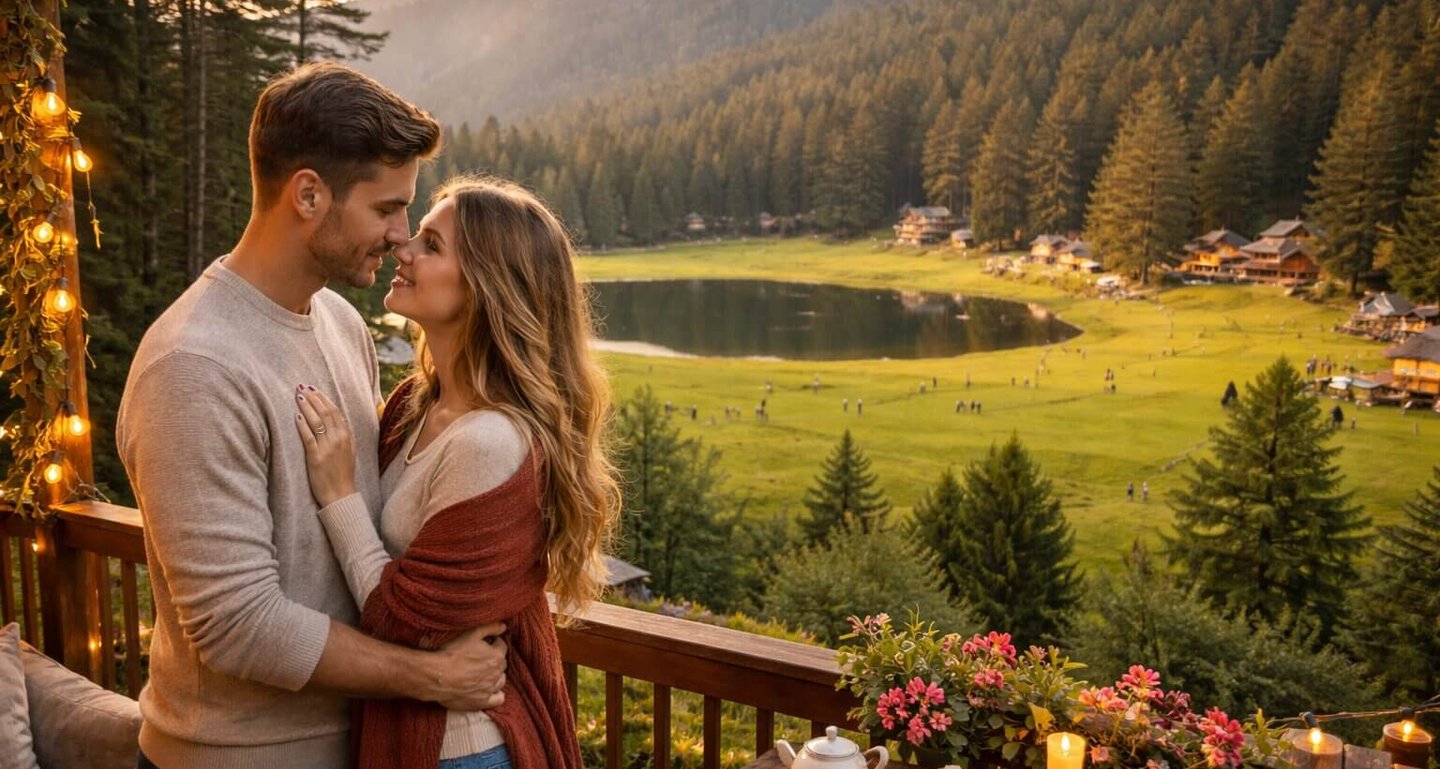
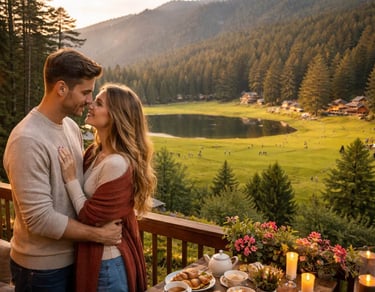
Discover extended India holiday tour packages built around wildlife safaris, Himalayan trekking and slow, nature-immersed travel, designed for travellers who want more than a quick tour.
There is a particular kind of traveller who does not want to tick off monuments in a week and fly home. They want to wake up to birdsong instead of alarms, to feel the cold mountain air on their face before breakfast, to sit quietly at the edge of a forest and watch a tiger walk past without hurry. For this traveller, India offers something rare: a country vast and varied enough that a single holiday can move from misty Himalayan ridgelines to dense central Indian jungles, from the roar of a river in spate to the silence of a high-altitude monastery.
Where Adventure, Wildlife, Wellness, Relaxation, Meditation, Yoga and the Himalayas Meet
This is the heart of what we mean by India holiday packages built for adventure and nature lovers, not rushed sightseeing, but proper India vacation packages where each destination is given the time it deserves. Whether you are dreaming of a three-week India holiday or a more leisurely month-long escape, the right combination of wildlife, mountains and slow travel can turn an ordinary trip into the journey of a lifetime.
In this guide, we explore the regions of India best suited to longer stays, the kind of adventure and wellness activities that reward unhurried travel, and how to put together india holiday tour packages that balance excitement with genuine rest.
Why Choose a Longer India Holiday Over a Quick Tour
India rewards patience. A fast-paced circuit of five cities in ten days will show you a great deal, but it rarely lets you settle into a place long enough to notice its rhythms — the way light falls across a valley in the late afternoon, the routines of a forest at dawn, the gradual unwinding that happens only after several days in one location.
Longer india vacation packages, typically spanning two to four weeks, allow for a very different kind of travel. You might spend four or five nights at a single wildlife lodge, giving yourself multiple safari attempts in different habitats and at different times of day, dramatically increasing your chances of meaningful sightings. Or you might base yourself in a Himalayan hill station for a week, using it as a launchpad for day treks, short pilgrimages and acclimatisation walks before moving higher into the mountains.
This pacing also suits families travelling with children, retirees seeking comfort alongside adventure, and anyone recovering from the kind of burnout that a one-week holiday simply cannot fix. The result is less exhaustion, more depth, and memories that tend to last considerably longer than a hurried itinerary ever could.
The Himalayas: India is Natural Home for Slow Adventure
No region of India lends itself to extended stays quite like the Himalayas. The mountains stretch across several states, each with its own character, climate window and style of adventure, making it entirely possible to design a holiday that moves gently from one Himalayan landscape to another over several weeks.
Himachal Pradesh: Valleys Built for Long Stays
The Kullu and Kangra valleys, along with quieter pockets such as Tirthan and Sainj, offer a gentle climate for much of the year, riverside guesthouses, and an enormous range of activities within easy reach from moderate trekking and white-water rafting to paragliding over Bir-Billing, one of the world's most celebrated paragliding sites. Travellers often base themselves here for ten days to two weeks, mixing active days with long, lazy afternoons by the river.
Uttarakhand: Trekking, Yoga and the Source of the Ganges
Uttarakhand combines serious trekking terrain with India's most established wellness infrastructure. Rishikesh, often called the yoga capital of the world, makes an ideal base for the first stage of a longer holiday, a week of yoga, meditation and gentle Ganges-side walks before heading further into the mountains. From there, multi-day treks toward the Garhwal and Kumaon ranges open up landscapes of alpine meadows, rhododendron forests and views of peaks that rarely appear in standard tour itineraries.
Ladakh and the Trans-Himalaya: For Those Who Want Real Remoteness
For travellers with three weeks or more, Ladakh offers something genuinely unique: a high-altitude desert landscape of monasteries, turquoise lakes and dramatic mountain passes, best experienced slowly to allow for acclimatisation. A well-paced Ladakh holiday builds in rest days in Leh before venturing to Nubra Valley or Pangong Lake, ensuring the journey is as comfortable as it is spectacular. The short travel season, generally from June to September, makes this a destination worth planning well in advance.
Sikkim and Darjeeling: The Eastern Himalaya for Tea, Trails and Tranquillity
Less crowded than its western counterparts, the eastern Himalaya around Sikkim and Darjeeling offers tea garden walks, monastery visits, and trekking routes with views of Kanchenjunga, the world's third-highest peak. The cooler climate from March to May and again from September to November makes this an appealing addition to any india holiday package focused on nature and quiet exploration.
Spiti Valley: The Cold Desert Beyond the Clouds
Often described as a miniature Tibet, Spiti Valley sits in the rain shadow of the Himalaya, a stark landscape of bare mountains, mud-brick villages and centuries-old monasteries clinging to cliff edges. Reaching Spiti usually involves several days of acclimatisation in lower valleys first, which fits naturally into a longer itinerary, a week spent gradually gaining altitude through Kullu and Lahaul before arriving in Spiti itself. Once there, the slow pace of village life, combined with short walks to monasteries such as Key and Dhankar, makes for a deeply restorative few days, best attempted between June and September when the high passes are open.
Arunachal Pradesh and the Far Northeast
For travellers seeking somewhere genuinely off the beaten path, the far north-eastern state of Arunachal Pradesh offers Himalayan scenery on a grand scale, with very few other foreign visitors. The Tawang region, reached via a dramatic mountain road, combines Buddhist monastery culture with alpine lakes and pine forests. A stay here works best as part of a longer northeast circuit, often paired with Assam, allowing several days simply to absorb a part of the Himalaya that remains largely untouched by mass tourism.
Wildlife Holidays: Tiger Reserves and National Parks Worth Lingering In
India is home to more wild tigers than any other country on earth, alongside elephants, leopards, one-horned rhinoceroses, and an extraordinary diversity of birdlife. For wildlife enthusiasts, the difference between a one-night safari stop and a four- or five-night stay at a single reserve is enormous, not just in terms of sightings, but in understanding the landscape, the guides, and the rhythms of the forest itself.
Ranthambore National Park, Rajasthan
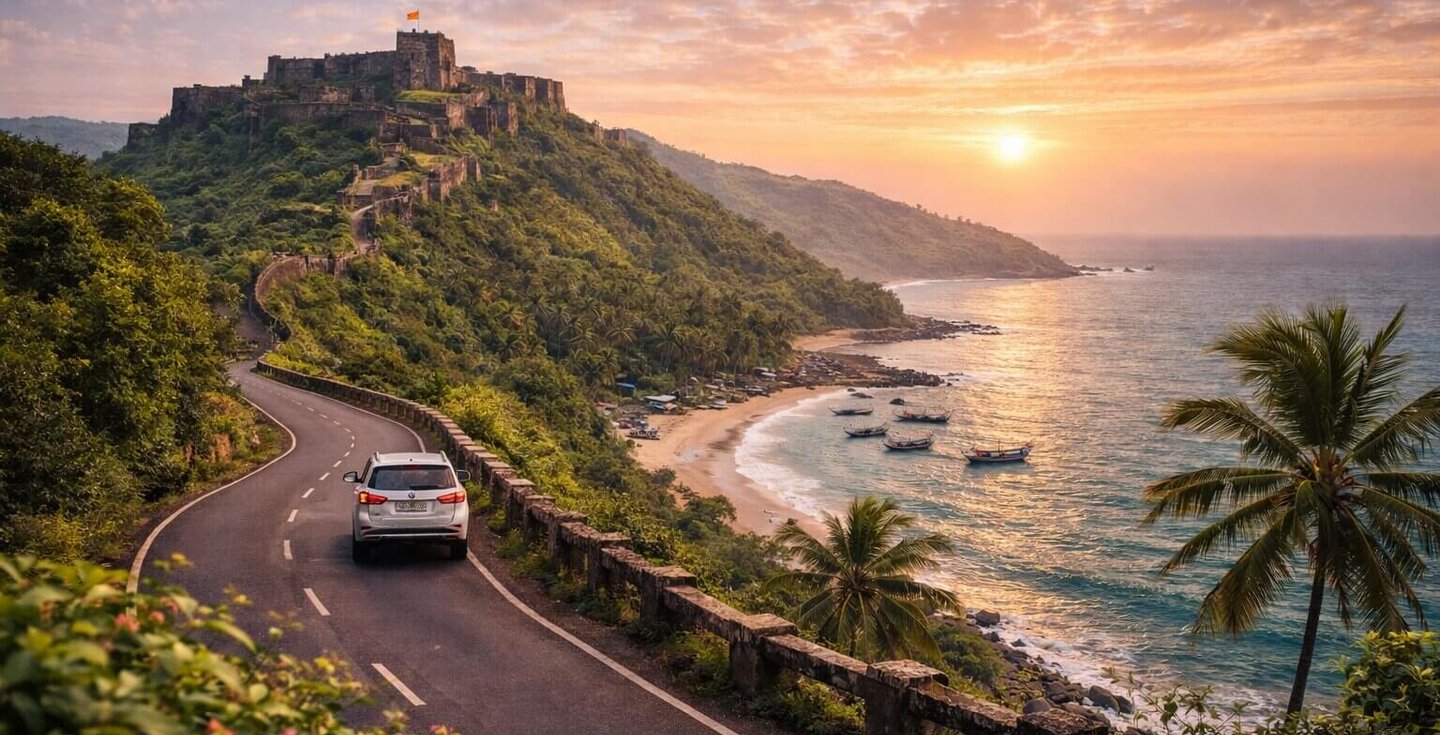
Famous for its tigers prowling among the ruins of a tenth-century fort, Ranthambore combines wildlife with history in a way few parks can match. An extended stay here, ideally four nights or more, allows for multiple safari zones and a far better chance of a memorable tiger sighting, alongside crocodiles, sloth bears and over 300 species of birds.
Jim Corbett National Park, Uttarakhand
India's oldest national park sits at the foothills of the Himalayas, making it an excellent link between a wildlife-focused stay and a mountain retreat. The mixed terrain of grasslands, riverbeds and SAL forests supports tigers, elephants and an impressive variety of birds, while the surrounding Kosi River valley offers gentle walks and riverside relaxation between safaris.
Kaziranga National Park, Assam
For something entirely different, Kaziranga in the northeast is home to the majority of the world's one-horned rhinoceroses, along with wild elephants, swamp deer and tigers moving through tall elephant grass along the Brahmaputra River. A UNESCO World Heritage sight and a longer stay here pairs well with tea estate visits and gentle river cruises, making it a wonderfully relaxed addition to an extended wildlife holiday.
Periyar and the Western Ghats, Kerala
In the south, the forests of Periyar around a vast artificial lake offer boat-based wildlife viewing, spice plantation walks and bamboo rafting, all set within the cooler climate of the Western Ghats. This makes it a natural fit for travellers extending a Kerala backwaters holiday into the hills for a few days of forest air and gentle activity.
Bandhavgarh and Pench, Madhya Pradesh
Central India's Madhya Pradesh is sometimes called the tiger state, and Bandhavgarh National Park has long had one of the highest tiger densities anywhere in the country. Its rocky hills, dotted with ancient caves and a hilltop fort, create a dramatic backdrop for safaris. Nearby, Pench National Park, the setting that inspired Rudyard Kipling's Jungle Book - offers a slightly quieter alternative with excellent sightings of tigers, leopards and wild dogs. Combining both parks into a single extended wildlife stay, with several nights at each, is a favourite among serious wildlife photographers, who value the chance to return to the same territories on multiple mornings.
Gir National Park, Gujarat
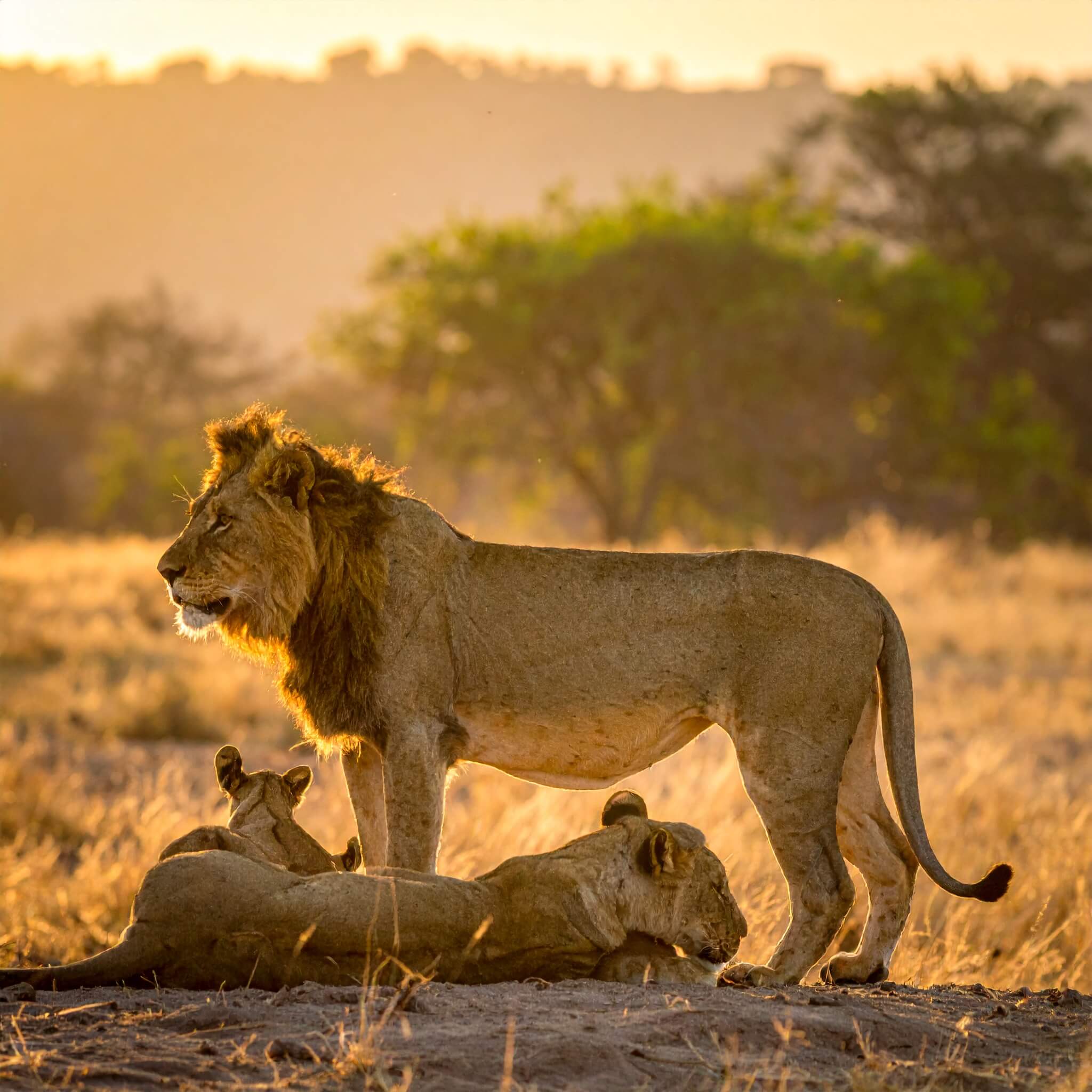
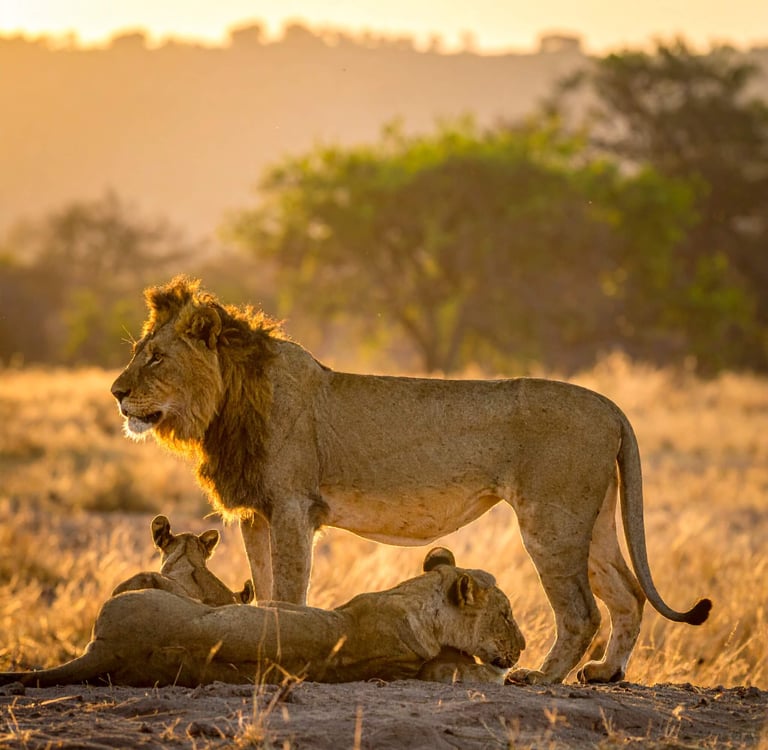
Gir is the only place on earth where the Asiatic lion survives in the wild, and a stay here offers something quite different from the tiger reserves further east - dry, scrubby forest, open grasslands and a real sense of having found somewhere the wider world has largely overlooked. For travellers building an itinerary around lesser-known wildlife experiences, a few days in Gir adds a memorable and distinctive chapter.
Combining Wellness, Adventure and Wildlife in One Itinerary
The most rewarding india holiday tour packages rarely focus on just one theme. A typical three-week journey might begin with a few days of acclimatisation and yoga in Rishikesh, move into a week of trekking and village stays in the Kumaon hills, continue to Jim Corbett for wildlife safaris, and finish with several relaxed days at a heritage property in Rajasthan, perhaps even extending to Ranthambore for a final tiger safari before departure.
This kind of structure gives the body and mind time to adjust between activity levels: intense days of trekking or early-morning safaris are balanced by slower days of yoga, spa treatments, or simply sitting on a terrace with a book and a view. For travellers managing the after-effects of long-haul flights from the UK, USA, Australia, Canada or Europe, this rhythm makes a significant difference to how the entire holiday feels.
Good weather planning matters here too. The Himalayan foothills are at their best from March to June and again September to November, while central Indian wildlife parks are most rewarding from November through April, when dry conditions push animals toward waterholes and visibility improves. A well-designed itinerary moves between regions in step with these seasons, so that wherever you are, the climate is working in your favour.
Seasonal Planning: When to Travel Where
Because this kind of holiday spans such different landscapes, timing is less about choosing a single best season for India and more about sequencing destinations so each one is visited at its peak. India's climate varies enormously by region and altitude, and a thoughtfully sequenced itinerary can deliver good weather almost throughout, even across a month-long trip.
Winter: November to February
This is peak season for India's central and northern wildlife parks. Ranthambore, Bandhavgarh, Pench, Jim Corbett and Kaziranga are all at their best, with cool, dry days perfect for safaris and clear skies for photography. The Himalayan foothills are crisp and clear too, though higher passes in Ladakh and Spiti are closed by snow. This makes winter an excellent time for itineraries that combine wildlife safaris with lower-altitude Himalayan exploration in places like Rishikesh, the Kullu Valley or Darjeeling.
Spring and Early Summer: March to June
As temperatures rise across the plains, the Himalaya comes into its own. This is the prime window for trekking in Himachal Pradesh and Uttarakhand, with rhododendrons in bloom and trails clear of snow at moderate altitudes. It is also when the high-altitude routes into Ladakh and Spiti begin to open, typically from late May or June onward. Wildlife parks remain productive into April, particularly in the very hot, dry weeks before the monsoon, when animals congregate around remaining water sources, though daytime temperatures can be intense, so early starts and shaded midday breaks become important.
Monsoon and Autumn: July to October
The monsoon brings most central Indian wildlife parks to a close for breeding season, but it transforms other regions. Ladakh and Spiti, sitting in the rain shadow of the Himalaya, see relatively little rainfall and remain accessible and beautiful through August and September, making this their best window for travel. Kerala and the Western Ghats turn lush and green, ideal for plantation stays and gentler wildlife viewing in places like Periyar. By October, the monsoon retreats and wildlife parks reopen, marking the start of the winter season and, for many travellers, the beginning of the ideal stretch for an extended India holiday.
Best Places in India for an Extended Holiday
Certain destinations stand out as ideal bases for travellers who want to stay put for a week or more, using the location as a hub for gentle exploration rather than constant movement.
Rishikesh and the surrounding Ganges valley offer a mild climate for much of the year, an established community of long-stay visitors, and an enormous range of yoga, meditation and Ayurveda options alongside rafting and short treks. The Kullu Valley in Himachal Pradesh provides a similar blend, with the added appeal of apple orchards, traditional villages and easy access to high-altitude trekking for those who want to push further.
Further south, the Coorg region in Karnataka and the hill stations of Munnar and Wayanad in Kerala offer cool, green retreats surrounded by coffee and tea plantations, with wildlife sanctuaries, waterfalls and plantation walks providing gentle daily activity. These regions are particularly well suited to travellers from Singapore, Japan and other parts of Asia seeking a cooler climate without the altitude challenges of the high Himalaya.
What to Look for in an India Holiday Package
Not all india holiday packages are designed with extended, activity-rich travel in mind. When planning a longer trip centred on adventure, wildlife and the Himalayas, a few details make a meaningful difference to how the holiday actually feels on the ground.
Accommodation should match the pace of each stage, comfortable forest lodges near wildlife reserves, characterful mountain guesthouses in the Himalaya, and perhaps a heritage property or two for a touch of indulgence between more rustic stretches. Transport between regions needs realistic timings that account for mountain roads, which are often slower than maps suggest, and a private vehicle with driver gives far more flexibility than relying on shared transfers.
Local guides matter enormously, particularly for wildlife safaris and trekking, where genuine knowledge of the terrain and animal behaviour transforms an outing from a drive-through into a real encounter. Finally, build in flexibility: weather in the mountains can change quickly, and the best itineraries leave room to extend a stay somewhere unexpectedly wonderful, or to rest an extra day if the journey has been more demanding than planned.


Practical Considerations for an Extended India Holiday
A longer holiday across such varied terrain rewards a little extra planning. Packing for both Himalayan altitudes and lowland forests means layering matters more than any single item, warm layers for early morning safaris and high-altitude evenings, breathable clothing for daytime activity, and sturdy, broken-in footwear for both trekking trails and safari vehicles. A good pair of binoculars is invaluable for both wildlife spotting and birdwatching, and a basic first-aid kit with altitude-relevant medication is worth carrying for any itinerary that climbs above 2,500 metres.
Altitude acclimatisation deserves particular attention for anyone heading toward Ladakh, Spiti or the higher reaches of Uttarakhand and Himachal Pradesh. Building in rest days at intermediate altitudes, staying well hydrated and avoiding alcohol in the first day or two at height all make a meaningful difference to how the journey feels. For wildlife stays, safari timings are generally early morning and late afternoon, so itineraries that allow for a relaxed midday, a swim, a nap, or simply reading on a veranda, tend to feel far less tiring over a multi-week trip.
Internal travel across these distances is most comfortably managed with a combination of domestic flights for the longer hops and private road transport for regional movement, particularly in the hills where train and bus options are limited. Many travellers from the UK, Europe, North America and Australia find that arriving with a day or two of buffer at the start of the trip, before any activity begins, helps absorb the effects of long-haul travel and sets a calmer tone for everything that follows.
Planning Your Own Adventure-Led India Holiday
India's greatest strength as a holiday destination is its sheer range, within a single trip, it is possible to trek through Himalayan forests, track tigers through ancient jungle, practise yoga beside a sacred river, and unwind on a plantation veranda watching mist roll over the hills. The key is giving each of these experiences enough time to settle in, rather than rushing between them.
Every traveller arrives with a different sense of pace. Some want long days on the trail followed by an early night under canvas; others prefer two safaris a day balanced by an afternoon spent doing very little at all. The advantage of planning an extended india holiday rather than a packed standard tour is that both of these preferences, and everything in between, can be accommodated within the same trip, simply by adjusting how long you stay in each place and how the days within that stay are structured.
At UK India Tourism, we have spent years building india holiday tour packages around exactly this idea: longer, slower, more immersive journeys that combine adventure, wildlife and wellness in a way that suits your pace, your interests and your travel dates. If a Himalayan and wildlife-focused India holiday sounds like the kind of trip you have been waiting for, we would be glad to help you design one.
WE ARE HERE TO HELP:
UK India Tourism Company
UK: +44 7345 191205
India: +91 9958 480873
Email: sales@ukindiatourism.co.uk
Luxury India Tour Specialists for UK, USA, Canada, Australia, Europe, Singapore, Japan and beyond
UK: +44 7345191205
UK India Tourism© 2026, all rights reserved
India: +91 9958480873
⭐⭐⭐⭐⭐ 4.9/5 | 2,600+ Travelers | 18 Years | 98% Recommend